Whoa! I had this weird gut feeling the first time I used a browser wallet. Something felt off about the UX and the permissions flow, and I couldn’t shake it. My instinct said, “Don’t approve that if you don’t recognize the contract.” Initially I thought that all extension wallets were basically interchangeable, but after digging into transaction signing behaviors, origin isolation, and how some wallets surface allowance revocation, I realized the differences actually matter a lot for everyday security.
Seriously? Okay, so check this out—Rabby Wallet takes a different approach to the extension wallet problem. It centralizes account management across networks while trying to keep dangerous defaults out of the user’s way. On one hand the UI nudges you to review data more carefully and provides clearer signing dialogs, though actually the deeper gains come from features like automatic token allowance management and a built-in popup for contract call decoding which reduce accidental approvals over time. That matters because most user losses are from click-happy approvals, not from cryptography failures.
Hmm… I’ll be honest, I’m biased, but I trust wallets that make revocations and allowance pruning easy. There’s a lot of nuance here—network isolation, hardware wallet integration, phishing resistance—and Rabby tries to tackle several at once. Actually, wait—let me rephrase that: Rabby isn’t a silver bullet; it reduces surface area for mistakes by surfacing risk signals and encouraging safer habits, yet some threats like targeted social-engineering or malicious browser extensions still require separate defenses. You should pair any extension with hardware-backed accounts when you’re certain about the trade-offs.
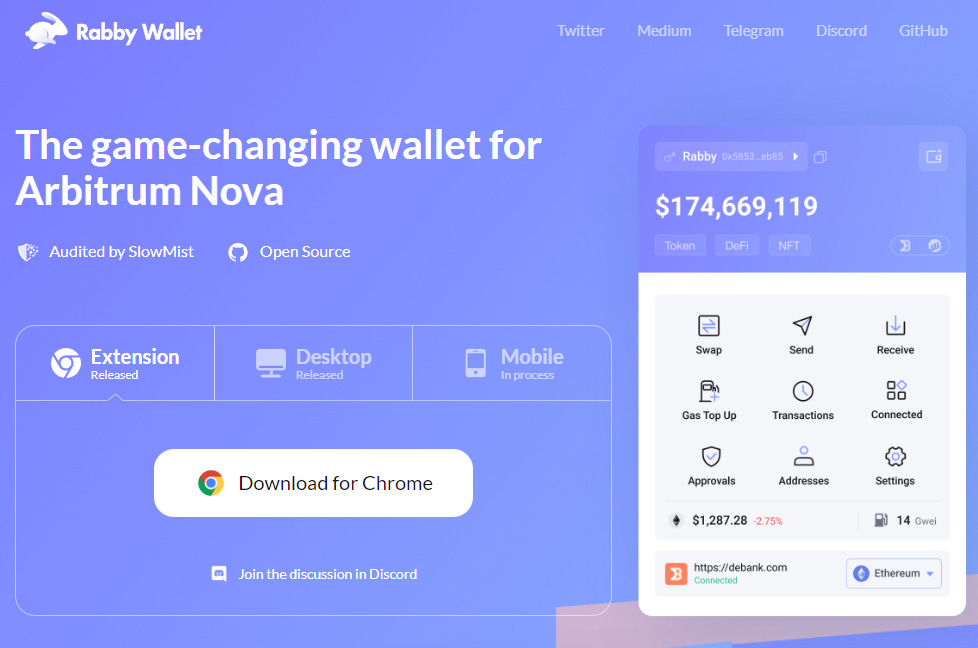
Where to get it and what to check
Here’s the thing. If you want to download Rabby, use the official source and verify the extension’s publisher. Don’t just search random results or click a download from social posts, those are often scams. So: download from trusted pages, verify the hash if they publish it, and check community channels. For an official starting point, look up rabby wallet and follow the install checklist on the publisher’s page or repository.
Wow! One of Rabby’s nicest features is automatic token allowance revocation, which saves you from stale approvals years down the line. It also offers domain-level one-click transaction whitelisting for trusted dapps, which can speed things up when you trust a site. On the analytical side, I measured how much time a typical power user spends toggling allowances across dozens of tokens and realized that automated governance of allowances can eliminate a lot of risky manual steps that lead to human error. Of course, nothing replaces cautious behavior—double-check URLs and stay skeptical during airdrop seasons.
My instinct said somethin’ is missing when I first opened the permissions log. Then I dove into transaction decoding and noticed clear calldata decoding that helped me catch suspicious calls. That helps you catch suspicious function calls without becoming a solidity expert. Initially I thought only hardware wallets mattered for safety, but after testing phishing scenarios and contract approvals, I realized that UX-driven decisions in software wallets can make or break an average user’s safety profile. On one hand the extension’s extra dashboards are helpful, though they can clutter for new users—it’s a trade-off.
Oh, and by the way… integration with hardware wallets like Ledger is supported, which is a must-have for serious holders. Rabby also supports multiple chains and EVM-compatible networks without storing your keys off-device. On the flip side, you must keep your browser environment clean, avoid installing shady extensions, and use strong OS-level protections because an attacker with local code execution can bypass many wallet protections. I wish the onboarding explained phishing trade-offs more plainly, that part bugs me a little.
Really? Setup tips: pin the extension, lock it when idle, and create a separate browser profile for on-chain activity. Use hardware-backed accounts for large balances and keep casual trading on a daily driver wallet. If you maintain multiple accounts, segregate funds by role—hot for small trades, warm for staking, and cold with hardware—this reduces blast radius when things go sideways. Also, revoke allowances periodically; it’s very very important to reduce long-term risk.
I’ll be honest, I’m not 100% sure every niche feature will matter to everyone, but Rabby’s direction feels right. I’m biased, but the community responsiveness and cadence of updates gave me confidence. Be careful with social engineering; attackers will pretend to help you revoke allowances while actually getting you to sign a different transaction. On the research side, I’d like independent audits of the extension update channels and publisher verification, because chasing trust through trust-minimized UX is tricky and deserves scrutiny. Until then, treat every extension with suspicion and verify everything when in doubt.
Hmm. If you’re ready to give Rabby a try, go to the official download page and follow the install checklist on their site: rabby wallet. Back up your seed securely, prefer hardware accounts for large holdings, and test with tiny amounts first. Ultimately, security is layered: good UX in wallets like Rabby lowers the chance of human error, hardware wallets provide cryptographic assurance, and cautious habits plus network hygiene protect you from the weirdest attacks that automated checks miss. I left feeling more hopeful than when I started, though I’m still watchful—this space evolves fast, and that keeps me on my toes.
FAQ
Is Rabby Wallet safe for daily trading?
Yes for many users—it’s designed to reduce common mistakes and offers hardware integration—however, treat any browser wallet as “hot” and avoid storing life-changing amounts there; use hardware or cold storage for long-term holdings.
What simple habits improve safety?
Pin your extension, use a separate browser profile, lock the wallet when idle, revoke unused allowances, confirm contract calldata when in doubt, and always test with small amounts first.
