Skip to Content

Monthly Archives: April 2025

Swaps, Cross‑Chain Moves, and Private Keys: What Web3 Users Actually Need to Know

Whoa. Crypto sounds complicated. Really.

But strip it down and it’s a few core mechanics with a lot of noise around them. Swapping tokens, moving assets across chains, and keeping private keys safe — those three things power most Web3 workflows. Get them right and you actually reduce risk a lot. Get them wrong and you can wake up poorer, or very frustrated.

I’ll be honest: I’m biased toward tools that put control in users’ hands. Yet I also know that giving people total control without guidance is a bad idea. So consider this a practical map — things I check before I tap “confirm.”
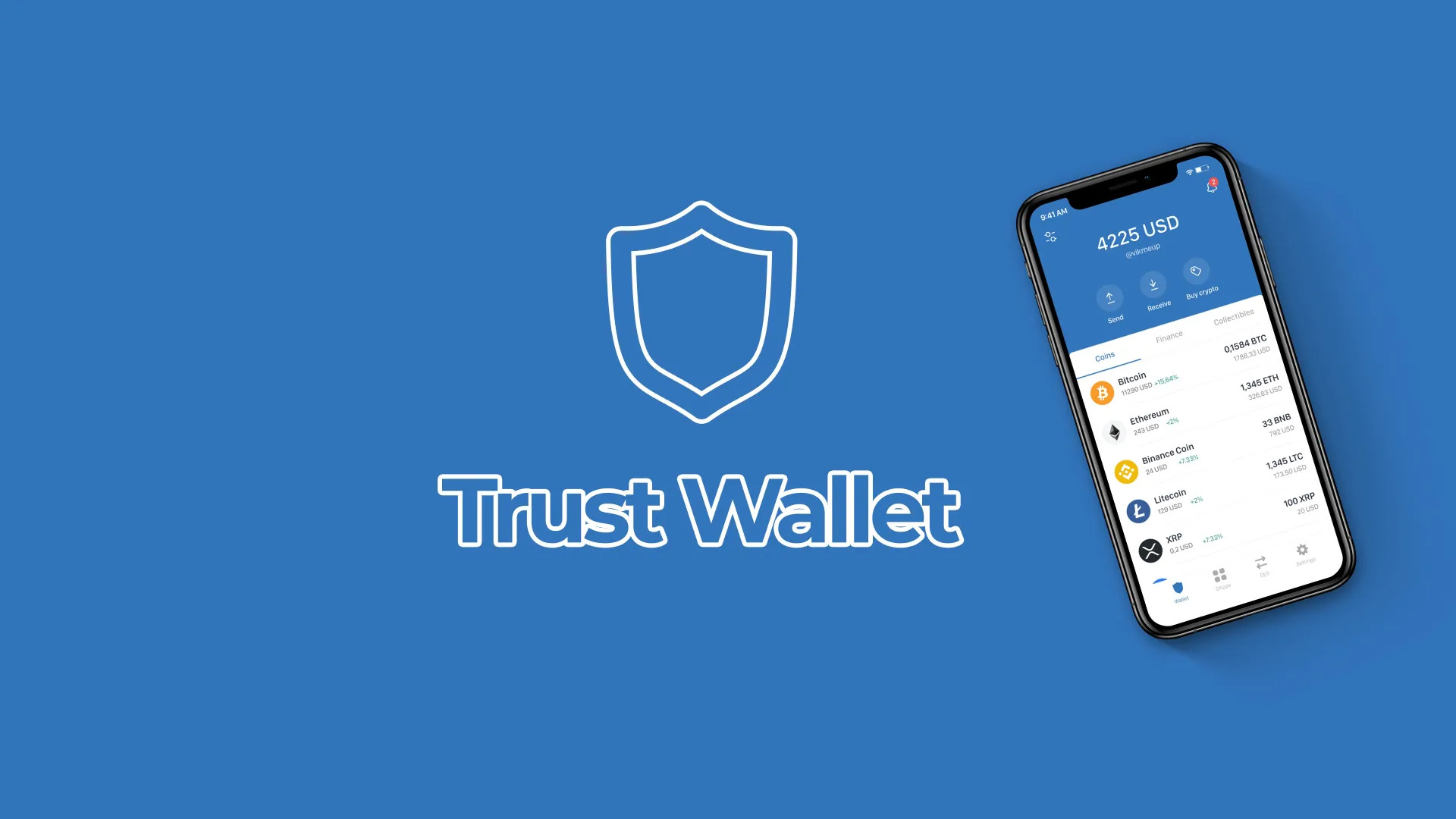
Screenshot of a multichain wallet interface showing swap and bridge options

How swaps work (and what to watch for)

Short answer: a swap trades one token for another, usually by hitting liquidity in a pool or routing through several pools to get the best rate.

Most wallet-integrated swaps either call a DEX directly or use an aggregator that searches multiple DEXes for the best path. Aggregators can save you money, though sometimes they pick routes that increase execution complexity. That can mean more gas or higher slippage — so watch the route if your wallet shows it.

Slippage is the killer. Set a tolerance that matches the token’s liquidity and your tolerance for price movement. If slippage is set too high, a sandwich attack or a sudden price swing can cost you way more than expected. If it’s too low, your swap may simply fail.

Approvals matter. When you first swap an ERC‑20 token, the contract usually needs allowance to spend that token. Be careful granting infinite allowances. If a contract is compromised, infinite allowances let it drain funds without asking again. Use limited approvals, and reset allowances after big trades if your wallet gives you that option.

Cross‑chain transactions: bridging realities

On the surface, bridging is moving value from Chain A to Chain B. But under the hood there are several models — and each brings different trust and attack surfaces.

There are custodial/centralized bridges that lock assets on one chain and issue wrapped versions on another. Those are fast and sometimes cheap. They require you to trust the operator. If that operator gets hacked or turns malicious, funds can be lost.

Then there are protocol-based bridges that rely on smart contracts and relayers. These can be more trustless, though they’re not immune to smart‑contract bugs or economic exploits. Cross‑chain messaging networks like IBC (Cosmos) or layer‑zero designs try to reduce trust assumptions, but complexity grows with each extra feature.

Practical checklist before bridging: verify bridge contract addresses on the project’s official site, check audits and bug‑bounty history, look at total value locked (TVL) trends, and, please, test with a small amount first. A small test transfer saves headaches.

Private keys, seed phrases, and real safety

Keep this simple: your seed phrase = your money. No phrase, no access. That’s it. No shortcuts.

Hardware wallets remain the gold standard for private key protection. They separate signing from internet exposure. Pair that hardware device with a reputable software wallet for UX, and you get the best of both worlds: convenience plus security.

Multisig setups are excellent for shared funds or operational treasuries. They add friction, yes, but they also stop a single compromised key from draining everything. Social recovery and smart-contract wallets can help individuals who fear losing a seed phrase, though those add different layers of risk and rely on recovery trustees or logic.

Phishing is evergreen. Never paste your seed phrase into a website, never confirm a transaction if the dApp UI looks off, and re-check URLs. Browser extensions can be useful, but they can also be vectors. Consider a dedicated, minimal browser profile for signing with dApps you trust, and use hardware signing whenever possible.

Putting it together: a practical routine before any big move

Okay, so check this out — a quick checklist I follow and tell others to use:

  • Audit the token and contract address. Confirm on multiple sources.
  • Check liquidity and slippage; preview the route if your wallet shows it.
  • Use limited allowances. Revoke or reset them after major interactions.
  • For bridges, do a test transfer first and check for reputable audits.
  • Prefer hardware wallets for signing swaps and cross-chain approvals.
  • Keep seed phrases offline, in secure physical backups (not a screenshot).

Also — and this is practical — choose a multichain wallet with a clear UI and transparent routing. If you want a place to start, consider a wallet like truts wallet, which surfaces swaps and bridge options while letting you connect hardware devices. I’m not endorsing every feature, but it’s the sort of UX that helps avoid costly mistakes.

FAQ

Q: Are bridges safe?

A: Bridges carry risk. No bridge is perfectly safe. Trust assumptions differ: centralized custodial bridges require trust in the operator; trustless bridges rely on code. Always do small tests and review audits and TVL history.

Q: Should I approve unlimited token allowances to save time?

A: Avoid unlimited allowances unless you’re interacting with a very reputable, audited protocol you use constantly. Limited allowances reduce the blast radius if an exploit occurs.

Q: What’s the single best thing I can do for security?

A: Use a hardware wallet, back up your seed phrase offline in multiple secure locations, and adopt a habit of test transactions before moving large sums. Layer in multisig if others are involved.

0 0 Continue Reading →

How I Hunt Yield Farming Opportunities: Practical DEX Analytics, Portfolio Tracking, and Real-Time Signals

Okay, so check this out—I’ve spent the last few years nose-deep in DeFi dashboards, chasing yield and learning the hard way. Wow! My instinct said there were edges to find, but the market kept teaching me different lessons. At first I chased raw APY numbers. Then I realized APY alone is a trap. Long trades of thought came later, with lots of small losses and one or two big wake-ups that changed my process.

Whoa! Seriously? Yes—seriously. Yield farming looks sexy on paper. But rewards are noisy and risk hides in subtle places. Something felt off about projects with shiny interfaces and scant liquidity. On the one hand those pools offered 10x token incentives; on the other hand impermanent loss and rug risks loomed large. Initially I thought high TVL meant safety, but then realized TVL can be concentrated and fragile.

Here’s what bugs me about most novice approaches: they treat yield farming like a slot machine. They ignore on-chain signals until it’s too late. Hmm… that part still surprises me. The smarter move is to combine DEX analytics with disciplined portfolio tracking and a simple checklist for entry and exit. I’ll be honest: I’m biased toward on-chain transparency. I like being able to verify flows myself.

Dashboard screenshot showing liquidity, volume, and token metrics

How I Scan for Opportunities (and Avoid the Landmines)

Step one is always liquidity and volume checks. Short sentence. If there’s not enough runway for your trade size, move on. Medium-sized token pools pop up with inflated APYs only to evaporate when incentives stop. Long sentence coming: I watch not just TVL but the ratio of active liquidity to recent volume, who the top liquidity providers are, and whether that liquidity came from a few wallets or a broad base—because concentration can collapse a pool in hours when whales move.

Whoa! Quick gut reaction: if the top three LPs hold 80% of liquidity, I’m out. That feels like gambling. But wait—let me rephrase that: sometimes concentrated LPs are long-term projects with vested tokens, and sometimes they’re flash liquidity. You need on-chain context. On one hand, tokens with vesting schedules reduce immediate dump risk; though actually, vesting cliffs can create momentary chaos too. So I track vesting timelines alongside liquidity snapshots.

For real-time DEX analytics I rely on tools that show pair-level activity, token contracts, and historical trades. One good gateway for quick pair inspection is available here. That one link is where I often begin my quick checks—price charts, recent trades, and liquidity movements all in one glance. Then I dive deeper on-chain when something flags.

Short thought. Use on-chain explorers for contract verification. Verify source code or at least ownership renunciation signals. Also check tokenomics: how many tokens are unlocked now versus later. This matters.

Portfolio Tracking: Keep It Simple, Track Everything

I used to juggle spreadsheets like a maniac. Really. Then I automated as much as I could. My baseline tracking lists: cost basis, current position size, pool APY (claimed and realized), accrued rewards, and exposure to native token volatility. Start simple. Add complexity when needed. I’m not 100% sure my system is perfect, but it reduced emotional mistakes by a lot.

Here’s the practical approach I follow daily. First, snapshot net asset value. Second, compute yield realized vs yield expected. Third, log any protocol-specific risks—admin keys, upgradeability, or economic models that allow minting. On one hand, some protocols are transparent about inflation; though actually, transient rewards that dilute token holders are a hidden tax on yield farmers.

I also use position-level alerts. Quick sentence again. If liquidity drops below a threshold, I get pinged. If a whale withdraws an outsized share, I get pinged. These alerts save me from getting surprised. Alerts are simple but powerful.

Oh, and by the way: tax implications. Yield farming can create lots of small taxable events. I’m not a tax advisor, but I track realized gains and receipts for every harvest. That part bugs me because it’s tedious, but it’s necessary on Main Street as much as on Wall Street.

DEX Analytics That Actually Matter

Volume and liquidity are table stakes. But look also at slippage on typical trade sizes. Short. If swapping $5k would eat 1% slippage, that’s okay; if it chews 10%, your trade size is misaligned. Then check aggregated fees earned by LPs versus the yield being advertised. That gap tells you if rewards are sustainable or just token emissions masking poor underlying fees.

Another critical metric: net token flow. When a pool consistently sees net inflows in the native token, that signals organic demand. But flows can be front-run by bots or washed by market makers. Something I learned the hard way: not all volume equals healthy demand. Volume driven by incentives can disappear when emissions drop. My instinct now flags sudden rises in volume that coincide with exclusive token emissions as suspect.

Longer thought: watch for protocol-level changes—governance proposals that adjust emission schedules, fee splits, or treasury allocations. These are often announced quietly. If you wait for a full community debate to finish, you’ve already moved. So I subscribe to governance feeds and scan proposals every week.

Risk Controls: Rules That Keep You In The Game

Rule one: size appropriately. Short. Never risk catastrophic loss on a single farm. Rule two: set stop-loss or neutralize exposure when token correlation spikes. Rule three: prefer LPs with multi-token diversification or stablecoin pairings for more predictable returns. These are simple, but they reduce tail risk.

I also maintain a “red flag” checklist. If a project fails two checks, I avoid it. If it fails three, I close positions. The checklist includes contract verification, known dev transparency, liquidity concentration, token distribution fairness, and external audits. Okay, I know audits aren’t a panacea—but they help. Audits can still miss economic exploits, though actually they catch many implementational bugs that would otherwise wipe out funds.

Common Questions From Traders

How often should I rebalance yield positions?

It depends, but a weekly review is a good baseline for active farmers. Short-term traders check daily. If you’re harvesting rewards and compounding, re-evaluate when fees or APY shift by more than 20%.

Can I trust advertised APYs?

Be skeptical. Advertised APYs often assume rewards reinvested and ignore token dilution. Look for realized APY over several weeks and compare to fees earned by LPs. That gives a more realistic picture.

Okay, final thought. I’m biased toward tools and processes that surface truth quickly. My instinct still picks up on gut signals—odd liquidity moves, weird tokenomics, sudden dev silence. Then my slow thinking kicks in to verify. That two-step approach keeps me honest. It’s not perfect. But it keeps me trading another day, and that’s the point.

So go build your checklist, automate the boring stuff, and respect the on-chain signals. Somethin’ tells me you’ll avoid a few disasters. And maybe you’ll catch a few winners too… good luck out there.

0 0 Continue Reading →